9 Best Shopify Themes for Small Business in 2026
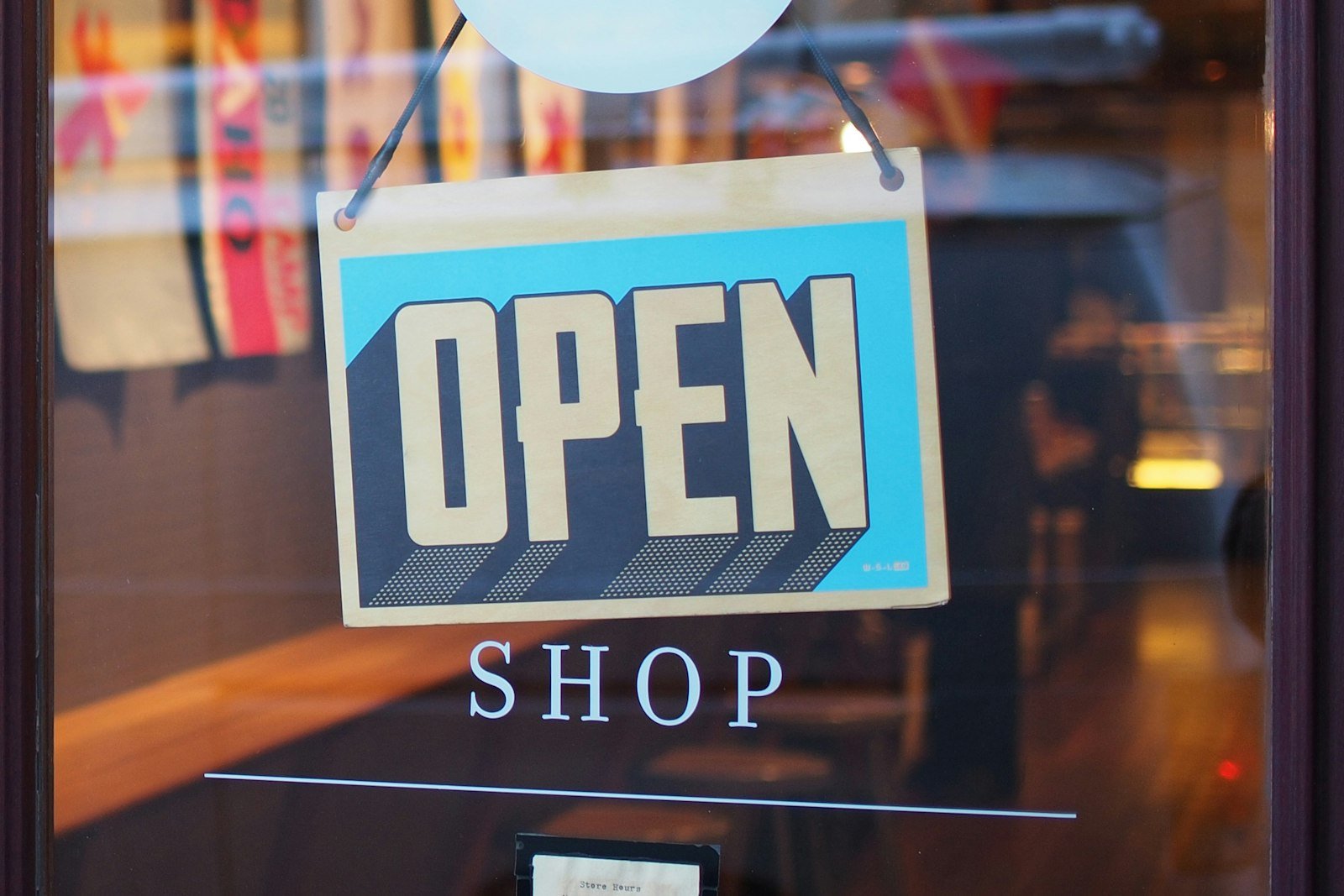
The best Shopify themes for small business owners do three things at once: they look professional, load fast on mobile, and make buying effortless with no developer and no big budget. When you are launching a small store on Shopify in 2026, the theme you choose sets the tone for everything that follows.
Below are nine of the best Shopify themes for small business, plus how to pick and set one up in a single day.
Table of contents
- What makes a great small-business theme
- The 9 best Shopify themes for small business
- How to choose the right one
- Features that convert
- Common mistakes to avoid
- How much do they cost?
- How to launch fast
- FAQ
What makes the best Shopify themes for small business
Before the list, it helps to know what separates a theme that sells from one that just looks nice. The best Shopify themes for small business share a handful of essentials:
- Fast, mobile-first pages: most of your customers shop on a phone, and speed keeps them from bouncing.
- Clean product pages and easy checkout: clear photos, obvious buy buttons, and as few taps to purchase as possible.
- Flexible sections: drag-and-drop Online Store 2.0 blocks so you can rearrange your homepage without code.
- Built-in trust: space for reviews, badges, and guarantees that reassure first-time buyers.
- Affordable pricing: a modest one-time cost, not another monthly bill on top of your Shopify plan.
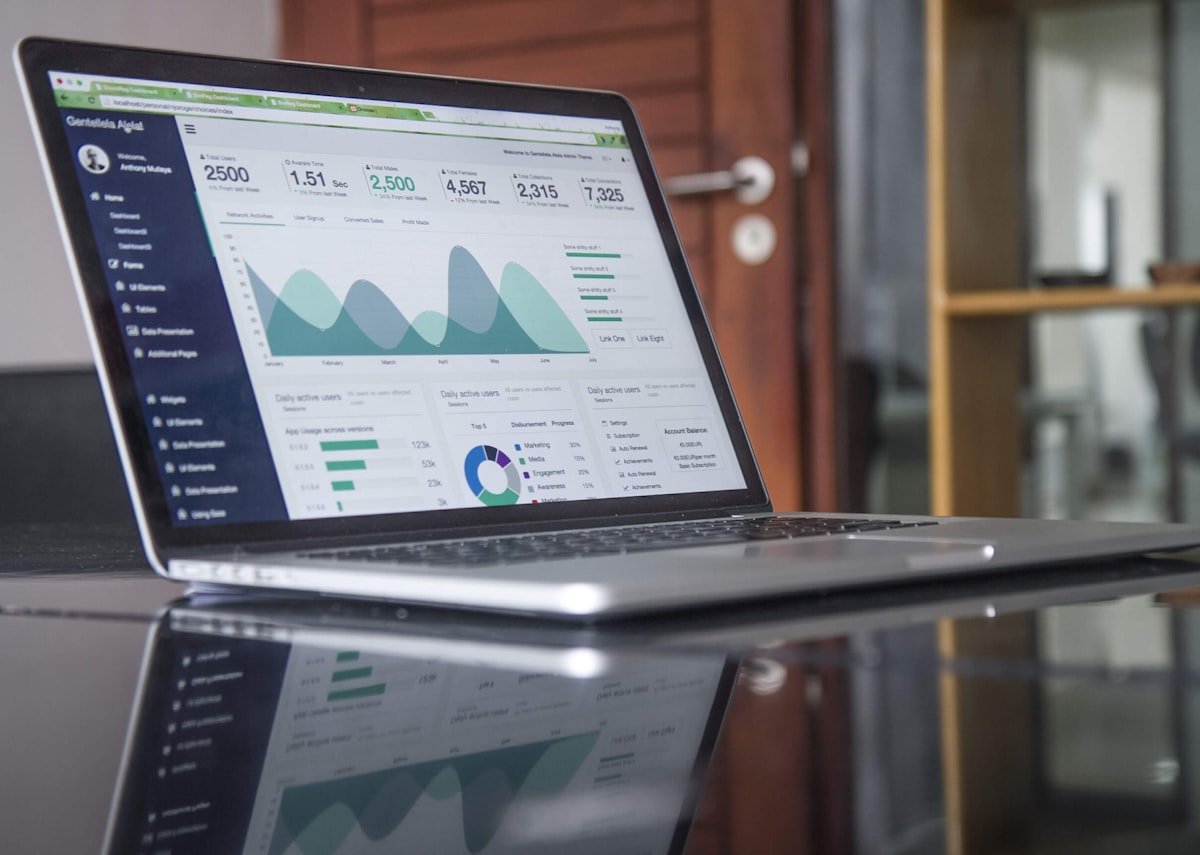
The 9 best Shopify themes for small business in 2026
Each pick below suits a different kind of small store. Every one is fast, mobile-first, and easy to make your own browse them all in the Shopify themes collection at Themestations.
1. Emporia Multipurpose
The safe all-rounder. Emporia is a clean, conversion-focused multipurpose theme with a mega-menu, product tabs, a deal-of-the-day countdown, and a slide-out cart ideal for a small store selling a bit of everything.
2. Verve Bold multipurpose
A punchier, colour-forward take on the all-rounder, with hover quick-add cards and gradient accents. Great for a young brand that wants personality out of the box.
3. Bazaar Classic multipurpose
A dependable, no-nonsense storefront that fits any category. If you want something timeless and easy to edit, Bazaar is a reliable first theme.
4. Mode Minimal fashion
Understated and editorial, Mode suits apparel and lifestyle brands that want the product photography to do the talking.
5. Éclat Beauty & cosmetics
Soft, glowy, and premium, Éclat is built for skincare and makeup shops, with shade options and a beauty-counter feel that lifts perceived value.
6. Kinetic Gym & yoga
An energetic activewear theme spanning gym and yoga gear, with size swatches and a bold, healthy look that suits fitness brands.
7. Stride Footwear
A sharp, sneaker-culture storefront with US/EU size swatches perfect for a small shoe or streetwear shop.
8. Doodle Kids & baby
Playful and colourful without looking cheap, Doodle fits kids and baby clothing shops that want a friendly, premium feel.
9. Aurelia Jewelry
Elegant ivory-and-gold styling for jewelry and accessories, with metal and size options and a high-end, editorial layout.
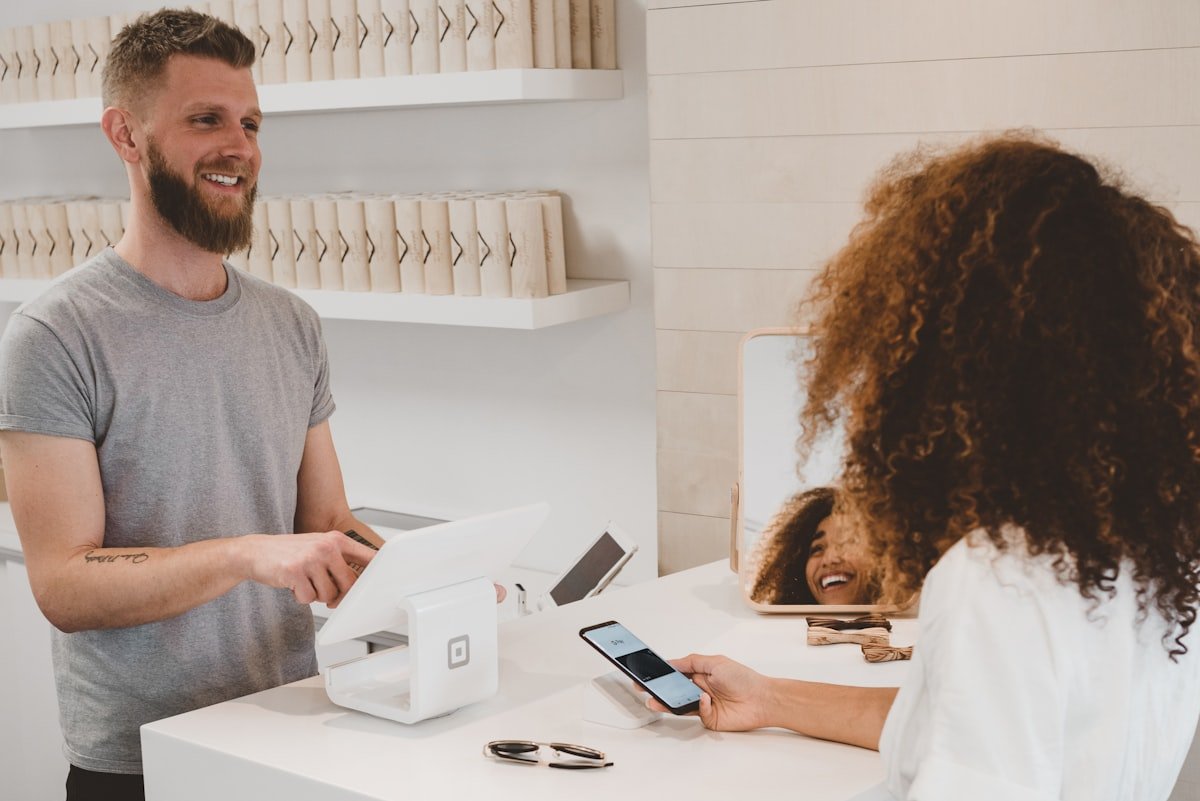
How to choose the right one for your store
Match the theme to what you actually sell first a jewelry shop and a sneaker shop have opposite needs. Then confirm the essentials: fast mobile pages, a clean product template, and an obvious checkout. If you want a full framework, our guide on how to choose a Shopify theme walks through every factor step by step.
Speed and design features that convert
The strongest small-business themes in 2026 share a few traits worth insisting on: bold, readable typography that states your value at a glance; fast, lightweight pages that load in a blink on mobile data; generous white space that makes the layout feel premium; and one clear call-to-action per section instead of a wall of competing buttons.
Get these right and your store feels current for years and it quietly does a better job of turning visitors into customers.
Common mistakes small stores make
Even a great theme can be undermined by a few avoidable slips. Watch for these as you set up your store:
- Uploading huge, uncompressed product photos that stall the page on mobile.
- Hiding the add-to-cart button or burying shipping and returns information.
- Cluttering the homepage with too many sections instead of one clear path to buy.
- Skipping a real mobile test before you launch.
How much do Shopify themes cost?
This is where premium themes shine. A professional Shopify theme is usually a modest one-time purchase often less than a single month of paid apps. After that, your only ongoing costs are your Shopify plan and any tools you choose to add.
Compared with hiring a designer, which can run into the hundreds or thousands, a well-built theme delivers a premium result for a fraction of the cost.
How to launch your small business store fast
Getting live is more straightforward than most owners expect, because the design work is already done:
- Install the theme: from the Themestations Shopify collection.
- Add your products: titles, photos, prices, and descriptions.
- Set up payments and shipping: in your Shopify admin.
- Rearrange the homepage: sections to match your brand.
- Test on mobile: then hit publish.
Follow those steps and a polished small-business store can be live within a day.
Premium vs free Shopify themes
Shopify ships with capable free themes, and for small business stores they are a perfectly reasonable way to open a shop. A premium theme, though, usually earns its one-time price back quickly. You get richer ready-made sections, more built-in features so you install fewer paid apps, a more distinctive look, and importantly documentation and ongoing updates.
Free themes tend to resemble thousands of other stores, which makes standing out harder; a premium theme lets small business stores look established from day one. You can browse Shopify’s own free designs in the Shopify Theme Store and weigh them against the premium options at Themestations before you decide which foundation is right for you.
Does your Shopify theme affect SEO?
More than most owners realise. Your theme controls page speed, clean and semantic HTML, heading structure, image alt support, and how easily search engines crawl your collections and products all ranking factors.
For small business stores, a fast, well-coded theme is a genuine head start, while a heavy one quietly holds you back. Pick a lightweight theme, keep every image compressed, use descriptive alt text, and publish helpful content so your store earns search traffic over time instead of paying for every visit.
The Themestations blog has more practical guides to help small business stores climb the results and turn browsers into buyers over the long term.
A theme vs a custom Shopify build
A bespoke Shopify build can run into the thousands and take weeks, and you still have to maintain it afterwards. A premium theme hands small business stores an expert-level foundation instantly tested across devices, tuned for speed, and ready for your products for a tiny fraction of that cost.
You keep full ownership, you can restyle everything yourself with Online Store 2.0, and you spend your time on products, photography, and marketing rather than development. For the vast majority of small business stores, a well-built theme is simply the smarter, faster, and far more affordable place to start selling.
Frequently asked questions
Do I need coding skills to use these Shopify themes?
No. Every theme here is built on Shopify Online Store 2.0, so you rearrange sections with drag-and-drop and edit text and images in the theme editor. Deeper changes like colours are simple, and you never need to touch code to launch.
Are these themes fast on mobile?
Yes. Each pick is mobile-first and lightweight, because most small-business shoppers browse and buy on a phone. Compress your product images and your store stays fast even on mobile data.
Which theme is best for a brand-new store?
A multipurpose theme like Emporia or Bazaar is the safest starting point it fits any product type and is hard to get wrong while you find your footing.
Can I switch themes later without losing my products?
Yes. Your products, orders, and customers live in your Shopify account, not the theme, so you can change themes any time and your catalogue stays intact.
How much should a small business spend on a theme?
A one-time premium theme is a small, sensible investment far less than a custom build and easily earned back by looking professional and converting more visitors.
Start selling this week
The sooner your store looks professional and loads fast, the sooner it can win its first sales. Browse the full Shopify themes collection at Themestations, pick the one that fits what you sell, and launch your small business store this week.
Ready to launch your own site?
Browse 100+ premium website & Shopify templates — one-time, from $19.
Browse all templates →